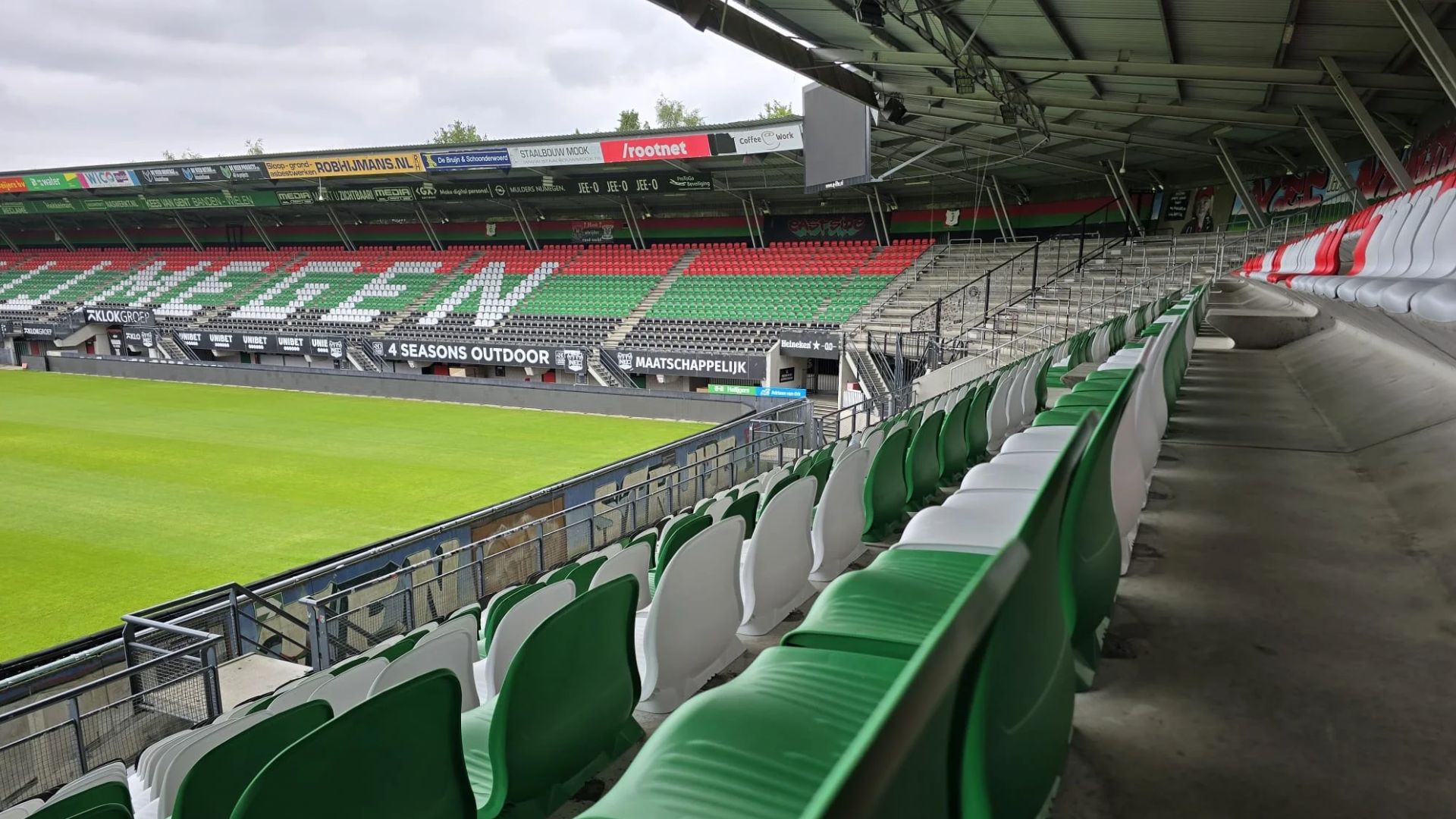
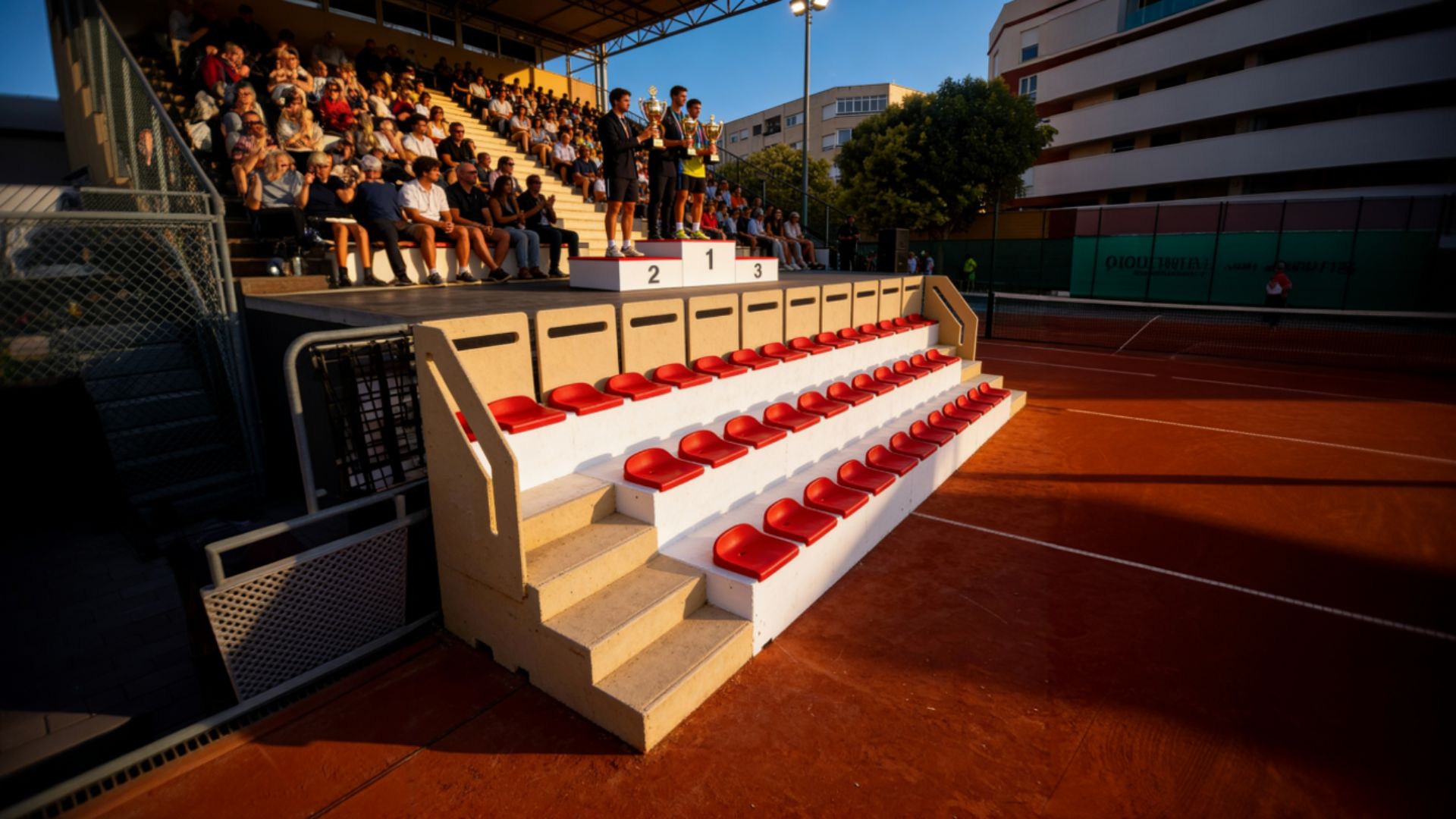
If you install stands or integrate venue equipment, you’ve lived this: the quote looks solid… until installation starts.
And that’s when the silent enemy of margin shows up: repeated friction. A small adjustment here, a re-layout there, an anchor that should fit but never fits the same way on site. It’s rarely one big mistake that hurts you—it’s a hundred micro-decisions. And when that happens seat after seat, minutes become hours and the schedule turns into constant negotiation.
Margin isn’t lost in the unit price. It’s lost in installation.
On a real project there are already too many variables: tread and riser dimensions, tolerances, supports, unexpected issues, last-minute changes… The only thing you need is for the seat not to become another variable.
So the key question isn’t “Which one is cheaper?” It’s this:
Does this seat install with logic… or will it force me to improvise?
The 3 frictions that steal the most hours (and nobody budgets properly)
1) Tolerances & layout changes
The “perfect” grandstand doesn’t exist. If the system demands surgical precision, every deviation costs time.
2) Unclear or non-repeatable fixing
When fixing isn’t straightforward, installation stops being execution and becomes “problem-solving.” And problem-solving on site is where margin dies. In practice, defined and consistent fixing options (e.g., 2 to 4 anchor points depending on the environment and requirements) tend to reduce surprises.
3) Supports that don’t match real conditions
Fixing to the tread isn’t the same as fixing to the riser, and working on concrete isn’t the same as steel or timber. If the manufacturer doesn’t properly cover that range, you end up adapting on site… and you pay for it.
What “installation-friendly” really means
A seat designed for install isn’t “the nicest one.” It’s the one that reduces decisions on site and lets you repeat the process without surprises.
In practice, it shows up in very concrete details:
- Fixing and support options aligned with how stands are actually built (tread/riser, 2–4 anchor points).
- Technical outdoor-grade material (e.g., UV-stabilized copolymer polypropylene) for intensive use and exposure.
- Drainage and geometries that make cleaning easier and reduce degradation (fewer issues, fewer “touch-ups”).
- Clear standards and testing (UNE-EN 12727 for severe public use and UNE 13200-4 for spectator facilities, plus fire reaction options depending on local requirements).
When those fundamentals are right, installation becomes what it should be: a repeatable process.
The real shortcut: lock the configuration before you step on site
If you want to protect margin, your “installation kit” must be defined upfront:
- Which support goes in each zone
- Which fixing method applies
- How you phase the work and logistics by sectors
- What technical documentation comes with it (so you don’t improvise)
Because when the seat is engineered to install with logic, the team moves, the project breathes… and the margin stops dying in screws.
FANBASE grandstand seats (product line)
If you’re in the selection phase and want the seat to stop being an on-site problem, here’s FANBASE’s grandstand seating line